

From Watching to Conversation

The Conversation We Must Have
When people are injured, they expect support, information and time to recover.
Yet for many Australians, injury can also bring confusion, uncertainty and isolation at a time when they are most vulnerable.
Shattered explores what happens when recovery extends beyond medical treatment and into the realities of family life, workplaces, communities and the systems designed to provide support.
The film is grounded in a simple belief: people should not have to navigate life's most difficult moments alone.
While conversations about reform are important, lasting change begins elsewhere. Systems change when people change. Communities change when understanding grows.
Shattered invites audiences to reflect on how we respond when injury changes a life — and how we can build cultures of care, dignity and support where "get well soon" becomes the norm rather than the exception.

Dr Rebecca Michalak talks to productivity benefits of good mental health
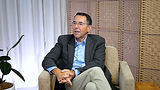
Dr Julian Parmegiani talks to Independent Medical Examinations

Rosemary McKenzie Ferguson speaks to the harm done to people through a dated system

Dr Diane Kenny talks to role of case worker, employer & delays in treatment

Dr Paul Phillips talks to probity - in independent assessments - is it relevant?

Politician Taylor Martin refused to be the Government's pansy and walked away from his support of bill
Shattered was made possible through the contributions of many injured workers, families, advocates, experts and supporters who shared their experiences, insights and time throughout the project.
ABOUT THE ISSUE
The System Must Be Designed to Heal
Workers’ compensation systems exist across the world to protect workers and their families after a workplace injury.
Their purpose is simple:
-
ensure injured workers receive medical treatment
-
provide income support while recovery takes place
-
protect families from financial hardship
However, over time these systems have become complex administrative structures involving healthcare providers, insurers, regulators and government agencies.
For injured workers, recovery no longer happens only in a doctor’s consulting room.
It takes place inside a system of decisions made by multiple institutions.
When those systems function well, recovery is supported.
When they do not, they can delay healing, create conflict and deepen harm.


A Changing Pattern of Workplace Harm
The nature of workplace injury is also changing. While many industries have improved physical safety, psychological injury is rising across modern workplaces.
Psychological injuries often involve:
-
longer recovery periods
-
uncertainty in treatment pathways
-
complex return-to-work processes
-
higher levels of dispute within compensation systems
Recovery from psychological injury depends heavily on stability, trust, safety and supportive environments.
When injured citizens must navigate adversarial administrative systems during recovery, those essential conditions can be undermined.
The System Around the Patient
When someone is injured at work, they do not enter a healthcare system alone.
They enter a broader ecosystem that may include:
-
Employers
-
Treating doctors and therapists
-
Insurance companies
-
OHS & Workers' Compensation Regulators
-
Government agencies
-
Unions
-
Volunteer Support organisations
Each plays an important role in treatment, return-to-work planning and compensation.
But the interactions between these institutions can profoundly shape the recovery experience.
For injured citizens, navigating this system can become as challenging as the injury itself.


Why This Film Matters Now
Many workers’ compensation systems were designed more than a century ago, when workplace injuries were primarily physical and industrial work dominated the economy.
Today the world of work has changed dramatically.
Now we see:
-
complex modern workplaces
-
rising psychological injury
-
longer and more uncertain recovery pathways
-
heavily structured administrative compensation systems
These changes raise an important question:
Can systems designed in another era still support healing in the world of modern work?
Against this backdrop a growing number of clinicians, researchers and lived-experience advocates are now also raising questions about the impact prolonged conflict and stress can have on health and recovery. For some, the consequences extend far beyond the original injury, with recovery and return to work disrupted by the very systems intended to support them, affecting families, relationships, wellbeing and future life opportunities.
Through lived experience, expert insight and the voices of injured citizens, Shattered explores how systems can evolve to better support recovery.
IMPACT VISION
The goal is simple but essential:
Realign workers’ compensation systems with their original purpose.
-
Treatment
-
Recovery
-
Family Stability
-
Return to Work
When someone is injured at work, they must remain first and foremost a patient in need of care.
Systems responsible for recovery must themselves be psychologically and socially safe environments.
Transparency, accountability and injured worker participation must be strengthened so that system failures are identified early and prevent further harm.
Because a system designed to heal must never become a source of harm.

PRINCIPLES FOR SYSTEM REFORM

Patients First
Injured citizens are patients before anything else. Medical treatment and recovery must be guided by clinical judgement and patient wellbeing, not administrative pressure.
.jpg)
Psychosocial Safety
Recovery systems must be psychologically safe environments. Prolonged disputes, uncertainty, surveillance and adversarial processes can delay healing and worsen injury.

Respect for Lived Experience
The voices of injured citizens must be heard, respected and included in reform. Peer support networks and worker representatives play a critical role in helping injured citizens navigate recovery.

Transparency and Accountability
Workers’ compensation systems operate within financial and regulatory frameworks. Strong oversight is essential to ensure decisions are fair, transparent and focused on recovery — not cost containment.

Shared Responsibility for Recovery
Recovery occurs across a complex system involving:
-
employers
-
insurers
-
regulators
-
clinicians
-
injured workers
-
worker support organisations
Constructive dialogue across this ecosystem helps rebuild trust, cooperation and effective recovery pathways.

Culture of Care
Recovery cannot occur in systems shaped by fear, suspicion or retaliation. For too long, injured workers and professionals have navigated environments that undermine trust and delay healing. A recovery system must actively cultivate a culture of care grounded in dignity, safety and respect.
Leadership across government, insurers, regulators and service providers must uphold these values.
Expectations should be embedded in:
-
policy
-
governance
-
contracts
-
performance frameworks
Because care must be built into the system itself.

TAKE ACTION
You can support the impact of Shattered by helping bring the conversation about recovery, care and system design to wider audiences.
Ways to get involved include:
● hosting community or workplace screenings
● participating in professional and policy discussions
● supporting educational screenings for healthcare and legal communities
● contributing to research and reform conversations
Together we can help ensure systems designed to support recovery truly serve the people who rely on them.
SUPPORT THE FILM
Shattered is more than a documentary.
It is part of a wider effort to examine how recovery systems operate and how they can better support those navigating injury.
Support helps enable:
● community screenings
● professional education events
● policy dialogue and research
● continued storytelling and investigation
Join us in bringing this conversation to audiences around the world.


Support Lived-Experience Advocacy
Across Australia, member-led groups formed by injured workers provide practical support, connection and advocacy.
Independent and grounded in lived experience, their work helps shape understanding and strengthens support for injured workers.
You can help sustain this work by supporting and donating to: