
A place to remember: supporting Gippsland’s asbestos memorial

After more than 25 years of seeking a permanent memorial, ACV/GARDS is raising funds to recognise those who have suffered or died from asbestos-related disease—and the families beside them.
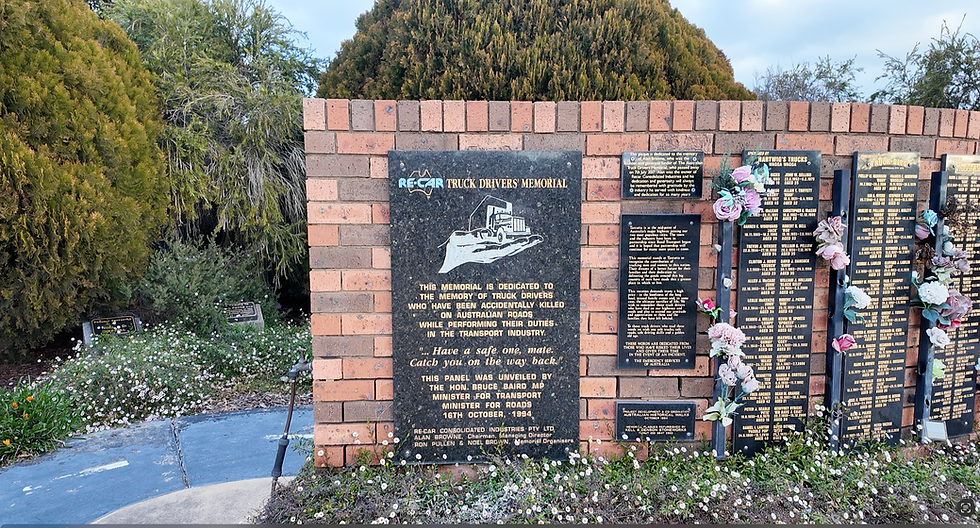
Making Shattered gave us a new awareness of workplace memorials and what they mean to families and communities. Around the country, we visited memorial after memorial, spending time understanding the stories they told.
They brought us closer to the people behind the history: those who had gone to work, the lives they had built, and the families who were left to carry their loss. They also showed us the effort communities put into ensuring those people are remembered.

In the Latrobe Valley, that history includes the devastating consequences of asbestos exposure.
For decades, workers in the State Electricity Commission of Victoria’s power stations were exposed to asbestos. Many developed illnesses including mesothelioma, lung cancer and asbestosis. Some also unknowingly carried asbestos home on their work clothes, exposing their families. The consequences reached far beyond the workplace. Read about the Valley’s asbestos history.
These were people whose work helped power Victoria. Their families and communities have lived with the cost.
The eventual parliamentary apology
On 15 October 2008, following efforts by GARDS, Premier John Brumby delivered a formal apology to affected workers and their families during a regional sitting of the Victorian Parliament in Churchill.
He acknowledged “an injury that has been ignored for too long” and apologised on behalf of the Victorian Government and community for the suffering caused by asbestos exposure at the former SEC. The apology is recorded on the ACV/GARDS website.
That apology was an important acknowledgement. It could not restore someone’s health or bring back a person their family loved. But it publicly recognised suffering that families had spent years trying to have heard.
A permanent memorial would give that recognition a lasting place in the community.
A memorial for those who suffered and those who died
The Asbestos Council of Victoria and Gippsland Asbestos Related Diseases Support Inc., known as ACV/GARDS, has commenced fundraising for a permanent memorial sculpture and mural in Gippsland to recognise all those who have suffered or died from asbestos-related disease.
Proposed for Moe Botanic Gardens, the project follows more than 25 years of wanting to establish a dedicated place of remembrance.

The proposed sculpture depicts a power worker with his young daughter. The accompanying mural will show workers leaving the Valley’s power stations. The design recognises that asbestos-related disease affects whole families as well as workers. View the proposed memorial and its design.
The parent and child reflect something we encountered throughout filming: when someone becomes ill or dies because of their work, the whole family is affected. Caring responsibilities change. Children live with illness or absence. Plans are interrupted, and families must find their way through circumstances they never expected.
A memorial offers somewhere to visit, remember someone they love, and know that their experience has been acknowledged. It also gives younger generations somewhere to learn about the people and events that shaped their community.
It does not resolve grief. It can offer a place where grief is recognised, without families having to explain why they still remember.
Helping bring the memorial to life
ACV/GARDS has supported people affected by asbestos-related disease and their families since 1991. Its work includes support groups, home and hospital visits, and community education. This appeal grows from decades spent alongside people through illness, caring and bereavement.
For Shattered, the project connects directly with the question at the heart of our series: When work changes a life, what happens next?
How we respond includes the care we offer and the place we give people’s experiences in our shared history. During filming, we came to understand how much these places of remembrance can mean—and how much persistence it can take to create them.
Workplaces, community organisations and individuals can help through donations, fundraising or sharing the appeal.
The people who helped power Victoria, and the families beside them, deserve to be remembered.


Comments