
Almost half a million people in one year

Work related injury and illness discussion during Mental Health Month
In 2021–22, an estimated 497,300 people in Australia experienced a work-related injury or illness. That was 3.5% of people who had worked at some time during the year. Almost half a million people, each with a life beyond their job. [1]
During Mental Health Month, this scale deserves attention. For Shattered, it is a reason to call for sustained public education about preventing harm, how people treat one another at work, and the care available when someone is injured. Compliance provides an essential foundation. Its purpose must be visible in everyday decisions and behaviour.
Safe Work Australia already promotes National Safe Work Month. Their resources are excellent and deserve acknowledgement. Its 2026 theme, Safe work is for life, recognises that safety protects workers’ lives, health and future.Our call is for broader public reach, extending into communities and greater prominence for remembrance, and practical education that carries through the year. [5]
A road comparison that keeps the measures clear
Road trauma provides a familiar reference point for public discussion about injury. BITRE’s Road Trauma Australia 2024 report recorded 35,815 hospitalised road injuries in 2022. The ABS estimate of 497,300 people experiencing work-related injury or illness in 2021–22 is a larger count. [1, 3]
These measures have different definitions and reference periods. The workplace survey includes illnesses and injuries of varying severity, including minor injuries. The road figure counts hospitalised injuries and excludes injuries that did not result in hospital admission. Workplace figures count people; the road figure counts hospitalised injuries. Some road injuries also occur during work.
Putting these figures alongside one another helps bring the scale of work-related harm into view. It does not establish that work is more dangerous than roads, or that the injuries being counted are equally severe. The workplace figure can stand on its own: almost half a million people reporting injury or illness in a single year.

Psychological injury and time away from work
Separate workers compensation data show 17,600 serious claims for work-related mental health conditions in 2023–24, representing 12% of all serious claims. These preliminary claim counts rose by 161.1% over the preceding ten years. That increase describes recorded claims, rather than the prevalence of psychological injury across the whole workforce. [2]
The median time lost for serious mental health claims was 35.7 working weeks in 2022–23, compared with 7.4 weeks across all serious claims. Time lost from work is not a measure of complete recovery, but it shows why support may need to continue for many months. [2]
For someone living through injury, time away can also raise questions about income, belonging and identity. For families, changes in routines and caring responsibilities can accompany those uncertainties. The national figures used here do not provide a count of affected family members; their experiences should still be part of the conversation.
Women and the industries represented in serious claims
Mental health conditions accounted for 17.2% of women’s serious workers compensation claims, compared with 8.2% of men’s, in 2023–24. These are shares of claims within each group, not percentages of all women or men experiencing injury. Safe Work Australia notes that the types of work women and men undertake influence these differences. [2]
Across all injury and illness types, health care and social assistance recorded the most serious claims. Construction followed. [2]
Industry | Serious claims | Share of total |
Health care and social assistance | 29,100 | 19.9% |
Construction | 17,600 | 12.0% |
Manufacturing | 14,800 | 10.1% |
Public administration and safety | 13,600 | 9.2% |
Australia, 2023–24 preliminary data. Serious claims involve at least one working week of time lost. These are workers compensation claims, not a count of all workplace incidents. Claim numbers also differ from risk adjusted for hours worked. [2]
People who never came home
In 2024, 188 workers died from traumatic injuries at work. This count excludes deaths from occupational disease, natural causes and suicide. Each death deserves recognition, alongside the grief experienced by the people who knew and loved that person. [2]
Giving Workers Memorial Day greater national prominence
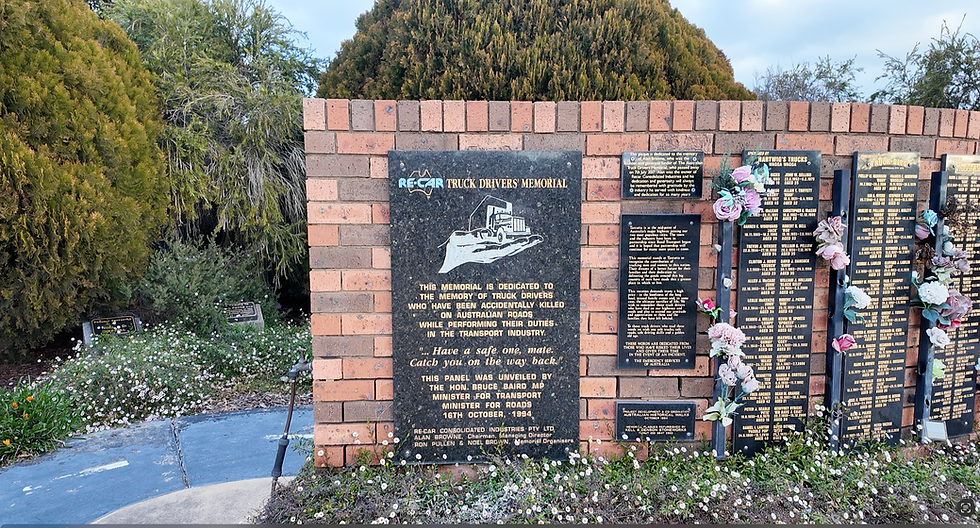
International Workers’ Memorial Day is held on 28 April. Safe Work Australia already encourages attendance at ceremonies remembering people who died because of workplace injury, illness or disease. The same date is the World Day for Safety and Health at Work. In NSW, the International Day of Mourning also commemorates people injured at work. [6, 7]
Remembrance ceremonies are held in capital cities and local communities across Australia. We believe 28 April deserves even greater national prominence. It should be a date all Australians recognise across workplaces and communities, with visible public participation and space for bereaved families. Remembrance helps us understand what is lost when work causes harm and renew our commitment to preventing it.
The annual 96 Candles Ceremony at Windy Gully Cemetery, held on 31 July to commemorate the 1902 Mount Kembla mining disaster, offers a valuable example. It brings together descendants, mine workers, local residents and community representatives to honour the 96 men and boys who died. This shared act of remembrance demonstrates how a community can preserve the memory of those lost and keep the importance of safe work alive across generations.
Public recognition should also make room for people living with work-related injury or occupational disease and the families beside them. Stigma must end. It can deepen isolation and undermine recovery. People living with serious injury need opportunities to be heard respectfully and remain connected to their communities, while memorial ceremonies retain their purpose of honouring those who have died. Looking out for your mate includes standing beside them when injury changes their life.
Putting safety and care into everyday practice
Safe Work Australia identifies psychosocial hazards arising from work design and management, as well as workplace interactions and behaviour. Its guidance includes job demands, poor support, bullying, harassment and poor organisational justice. Education about behaviour needs to include the decisions made by leaders and the conditions in which people work. [4]
A sustained campaign could help people recognise harmful conduct, raise concerns safely and understand what a constructive response looks like. It should also help employers translate that knowledge into manageable workloads, genuine consultation and timely action. Education needs to accompany practical changes to unsafe conditions.
Looking out for your mate means taking a concern seriously, checking in when someone seems overwhelmed, speaking up about unsafe conditions and acting on harmful conduct. It also means keeping in touch after injury, listening to what support someone needs and helping them find appropriate assistance. Employers need to provide the conditions and resources that make these actions possible.
After injury, clear explanations, respectful communication and continued connection should be part of everyday practice. Workers and families should have understandable information about where to find help, and opportunities to discuss what support they need.
Shattered asks: When work changes a life, what happens next? Mental Health Month offers an opportunity to carry that question into workplaces and communities. Almost half a million people in one year is a substantial human burden. It is a reason to make prevention and the response after injury a sustained public conversation.
Sources
[1] Australian Bureau of Statistics. Work-related injuries, 2021–22. Released 15 February 2023. Read source
[2] Safe Work Australia. Key Work Health and Safety Statistics Australia 2025, pp. 2–3, 8, 10, 15, 18 and 22. Read source
[3] Bureau of Infrastructure and Transport Research Economics. Road Trauma Australia 2024, Table 6, p. 18. Hospitalised injuries for 2022. Read source
[4] Safe Work Australia. Psychosocial hazards and managing psychosocial risks. Read source
[5] Safe Work Australia. National Safe Work Month 2026 theme and campaign resources. Read source
[6] Safe Work Australia. Attend a Workers’ Memorial Day event in 2026. Read source
[7] SafeWork NSW. International Day of Mourning. Read source


Comments